How Interior Designers Should Plan a Bathroom
How Interior Designers Should Plan a Bathroom
Designing a bathroom isn’t just about picking tiles and taps. For interior designers, it’s about creating a space that works beautifully day-to-day while still delivering that “wow” factor clients expect.
Whether you’re working with a compact ensuite or a large family bathroom, here’s how to plan it properly from the ground up.
1. Start With Function First
Before thinking about finishes, step back and ask how the bathroom will actually be used.
Interior designers begin by analysing:
- Who is using the space and at what times of day
- Whether it is a high traffic family bathroom or a low use guest space
- If multiple people need to use it at the same time
- What frustrations exist in the current layout, such as lack of storage, poor lighting, or limited movement space
These details directly influence key decisions. For example, a family bathroom may need a bath, double basin, and durable finishes, while an ensuite might prioritise a walk in shower and space saving design.
Designing based on real usage rather than assumptions helps avoid common issues like overcrowded layouts, poor storage, or impractical fixture choices.
2. Measure Your Bathroom Space Accurately
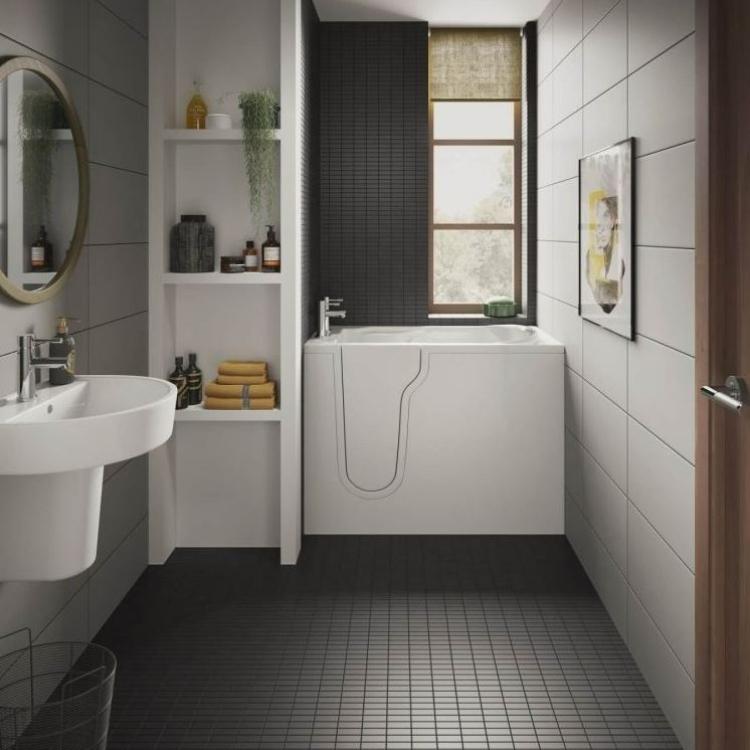
Accurate measurements are essential because every bathroom fixture depends on the space available around it, not just the size of the room itself.
Interior designers should record:
- The full room size, including length, width, and ceiling height
- The position and swing direction of doors
- Window size, sill height, and opening direction
- Existing soil pipe, water supply, and waste pipe locations
- Radiator, towel rail, extractor fan, and electrical points
- Any alcoves, sloped ceilings, boxing, or awkward corners
These details affect where the toilet, basin, shower, bath, and bathroom storage can realistically go. For example, a window may limit where a shower enclosure can sit, while the soil pipe position can make moving a toilet more expensive.
Taking detailed bathroom measurements at the start helps avoid layout issues, installation delays, and costly changes once work has begun.
3. Plan the Bathroom Layout Early
The layout is what determines whether a bathroom feels easy to use or constantly frustrating.
Interior designers plan layouts based on spatial rules, not guesswork. This includes:
- Allowing enough clearance in front of each fixture so the space does not feel cramped
- Positioning the basin where it is easily accessible when entering the room
- Ensuring the toilet is not the first thing visible from the doorway where possible
- Designing clear movement paths so users are not navigating around obstacles
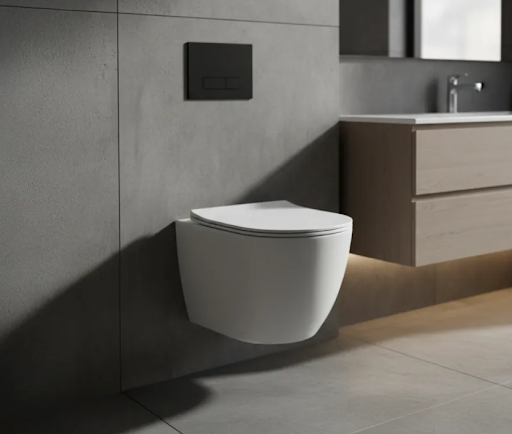
In smaller bathrooms, layout becomes even more critical. Wall mounted toilets and basins, sliding doors, and walk in showers can help free up usable space and improve flow.
4. Use Zoning in Bathroom Design
Zoning is used to organise the bathroom into functional areas and prevent practical issues later on.
A well planned bathroom typically includes:
- A dry zone for vanity units, mirrors, and storage
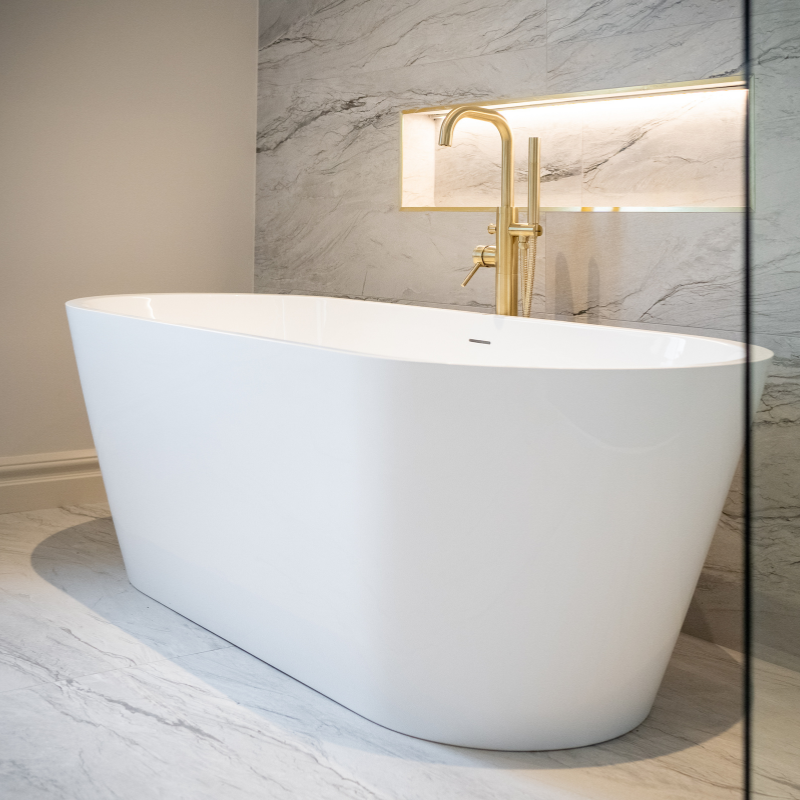
- A semi wet zone for toilets and freestanding baths
- A wet zone for showers or enclosed bath areas
This is not just about organisation. It helps control water spread, protects materials, and makes cleaning easier. For example, placing a shower too close to storage can lead to long term moisture damage.
5. Keep Plumbing in the Same Position Where Possible
Plumbing has a major influence on layout, whether designers like it or not.
The position of the soil pipe will often dictate where the toilet can go, while water supply and waste points affect basins and showers.
Keeping fixtures close to their original positions:
- Reduces labour and material costs
- Avoids complex pipe rerouting
- Speeds up installation
If a layout change requires moving plumbing, it should be justified by a clear improvement in usability, not just aesthetics.
6. Plan Storage Into the Layout From the Start
Bathroom storage should be designed into the layout, not added at the end.
Interior designers think about what needs to be stored and where it will be used. This leads to more practical solutions such as:
- Vanity units sized to match daily use rather than just fitting the space
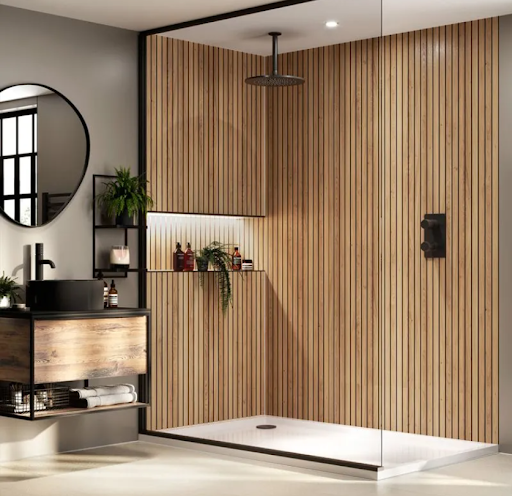
- Recessed wall niches in showers to avoid bulky caddies
- Tall storage units in underused vertical space
Without this level of planning, bathrooms quickly become cluttered, especially in shared or family spaces.
7. Balance Style and Practicality
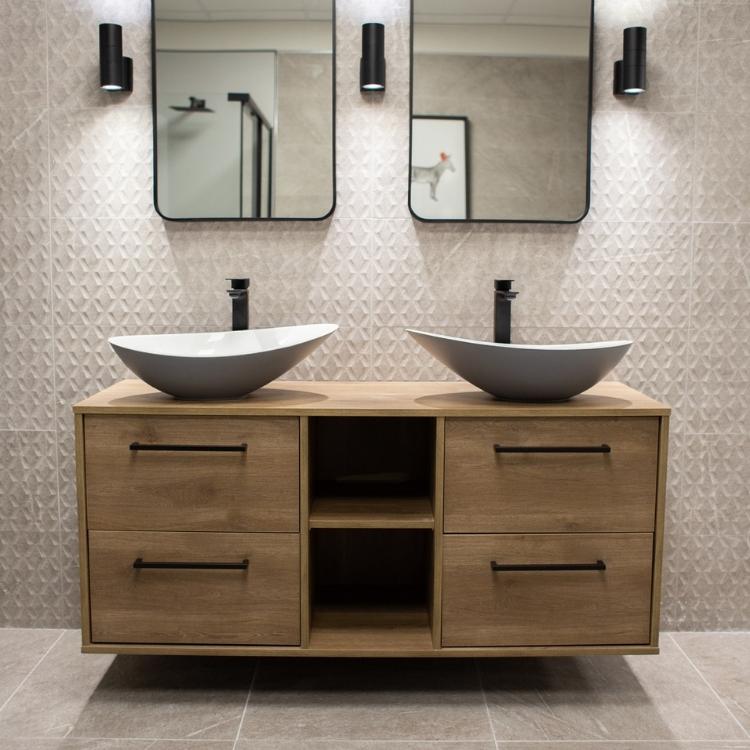
A bathroom is one of the most heavily used rooms in a home, so material choices need to reflect that.
Designers look beyond appearance and consider:
- How surfaces will handle moisture and daily cleaning
- Whether finishes will show marks, limescale, or wear over time
- How easy it is to maintain the space without specialist products
For example, highly textured tiles may look good but can be harder to clean, while wall hung fittings can make floor cleaning much easier.
8. Plan Bathroom Lighting Properly
Lighting should be integrated into the design from the beginning, not treated as a finishing touch.
A well lit bathroom typically includes:
- Task lighting positioned at eye level around mirrors to avoid shadows
- Ambient lighting that provides even coverage across the room
- Accent lighting to highlight features or add depth
Poor lighting placement can make everyday tasks like shaving or applying makeup difficult, regardless of how well the rest of the bathroom is designed. For more inspiration, check out our bathroom lighting ideas article.
9. Make Small Bathrooms Feel Bigger
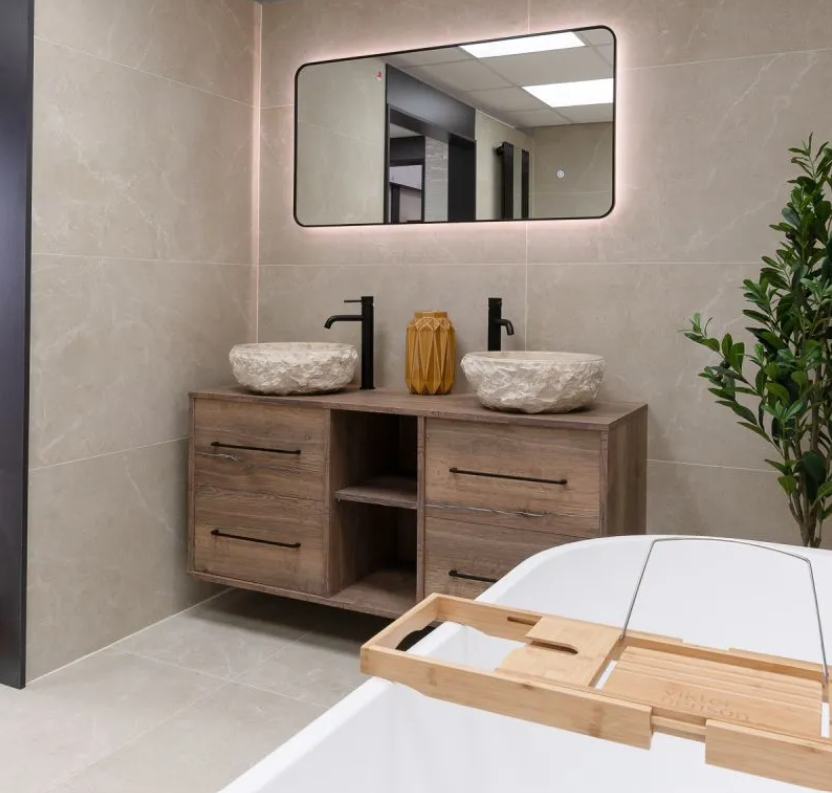
Small bathrooms require more deliberate design decisions to avoid feeling cramped.
Interior designers focus on:
- Keeping sightlines as open as possible to make the room feel larger
- Using wall mounted fittings to expose more floor area
- Choosing appropriately sized fixtures instead of standard sizes
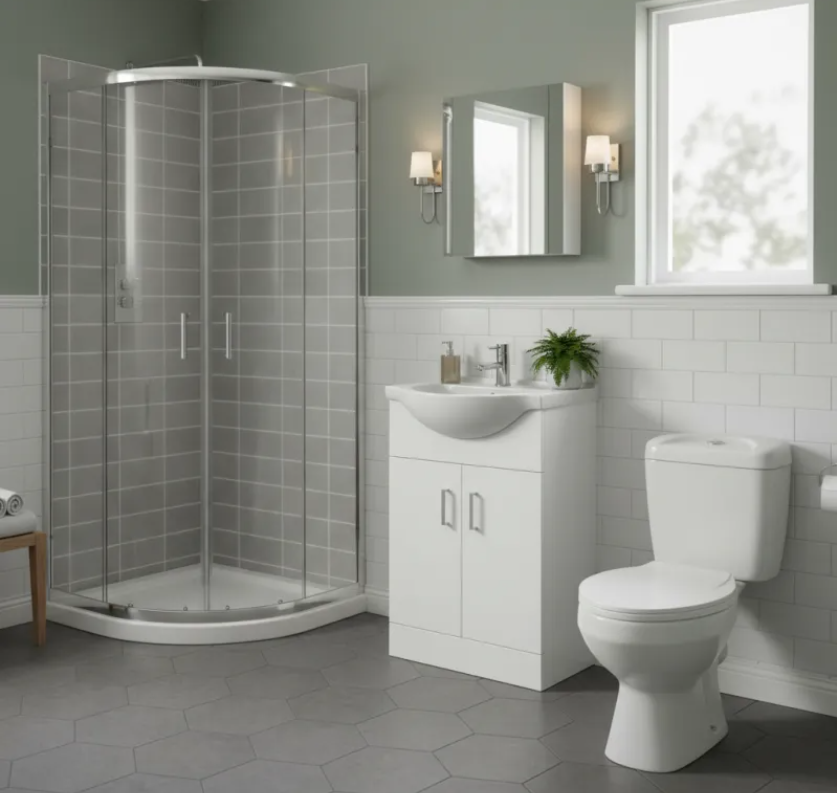
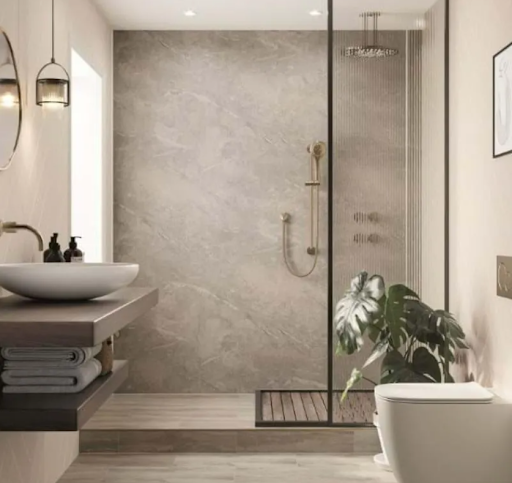
Simple changes like a larger mirror or a frameless shower screen can significantly improve how spacious the room feels without increasing its size. For more insipiration, check out our guide on Small Bathroom Ideas.
10. Create a Cohesive Bathroom Design
Once the layout and functionality are resolved, the visual design can be developed.
A cohesive bathroom design is usually built by:
- Selecting a consistent base colour palette
- Introducing contrast through materials or finishes rather than competing colours
- Repeating key elements to create visual continuity
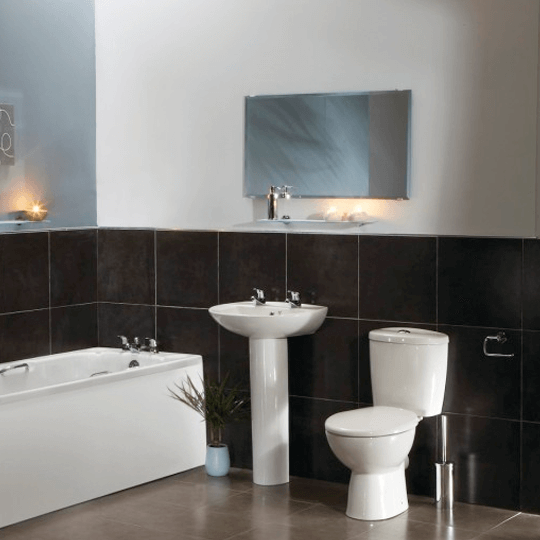
The goal is to create a bathroom that feels intentional. Every element should feel connected, from the vanity and tiles to the lighting, mirrors, and brassware.
A cohesive design does not have to be plain. It simply needs a clear direction.
Plan Your Next Bathroom with Bathshack
A successful bathroom starts with a well considered plan. Before choosing finishes, interior designers need to understand how the space will be used, what the layout allows, where storage is needed, and how lighting, plumbing, and materials will support daily life.
When these practical details are resolved first, the design becomes much stronger. The bathroom feels easier to use, simpler to maintain, and more enjoyable to spend time in.
By planning carefully from the beginning, interior designers can create bathrooms that look refined, function smoothly, and continue to meet their clients’ needs for years to come.
If you need further help planning your bathroom, check out our bathroom planner or get in touch with us for expert advice.